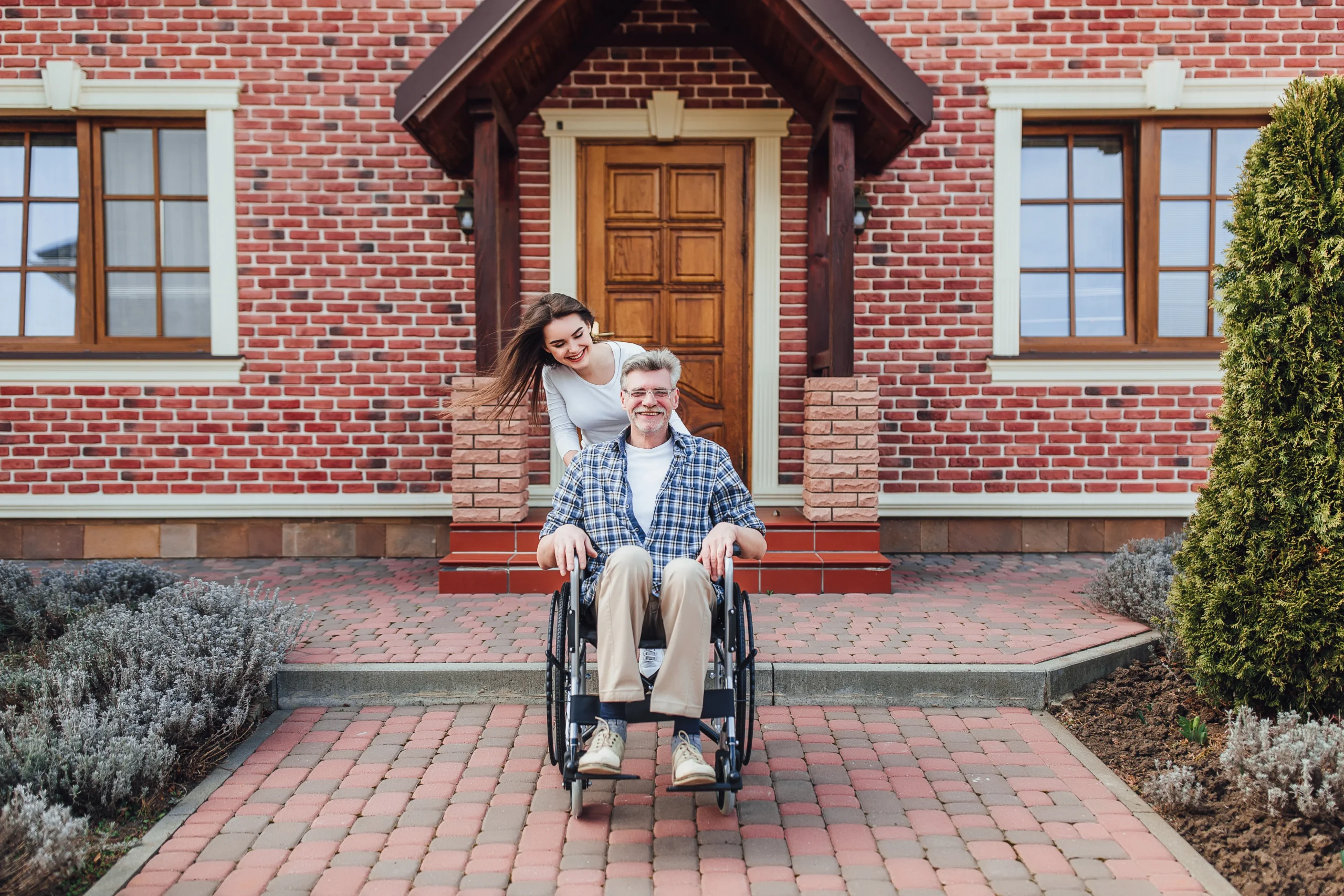

When your aging parent asks when you’ll visit next, there’s often more behind that question than simple loneliness.
Despite your best intentions to stay connected, many adult children discover that professional elderly companion care fills gaps that even the most loving family visits cannot address.
This isn’t about replacing family bonds; it’s about understanding why consistent, specialized companionship often provides what busy family schedules and emotional dynamics cannot.
What Makes Elderly Companion Care Different from Family Visits?
The distinction between family visits and professional elderly companion care for seniors goes beyond frequency.
While family visits carry emotional weight and shared history, they often come with underlying tensions, rushed schedules, and the pressure to catch up on everything at once.
Professional elderly companion care operates on a different premise entirely.
Trained companions focus solely on your loved one’s well-being during dedicated time slots, without the baggage of family dynamics or competing priorities. They’re not juggling work calls, managing their own children, or dealing with the complex emotions that can surface during family interactions.
Consider the typical family visit: you arrive with good intentions, but within minutes, you’re noticing Mom’s messy kitchen, Dad’s unkempt appearance, or the stack of unopened mail. The visit becomes about fixing problems rather than providing genuine companionship.
A professional companion for elderly individuals enters with a clear focus on social interaction, emotional support, and maintaining routines that promote well-being.
Read more: Senior Companion Care Management: Tools for Families Supporting Seniors from Afar
When Should You Consider Professional Companion Services?
The decision to explore senior companion care often stems from recognizing patterns that family visits alone cannot address. Here are key indicators that professional companionship might benefit your aging loved one:
- Daily Routine Disruption: If your parents’ eating, sleeping, or hygiene routines suffer between family visits, consistent elderly companion care can provide the gentle structure they need without waiting for the next family gathering.
- Social Isolation Despite Family Contact: Some seniors withdraw even from family, making visits feel forced or uncomfortable. Professional companions are trained to engage individuals who may be struggling with depression, anxiety, or simply the adjustment to aging.
- Safety Concerns: When you worry about your parents’ safety between visits, whether it’s medication management, fall prevention, or basic household tasks, home companion care provides peace of mind that extends beyond your physical presence.
- Caregiver Burnout: If you’re the primary family caregiver, professional companion services can prevent the exhaustion and resentment that sometimes build when all caregiving responsibility falls on one person.
These indicators often develop gradually, making them easy to miss during brief family visits.
Understanding the subtle signs indicating that your loved ones need elder care can help you recognize when it’s time to have important conversations about additional support before small issues become major concerns.
How Professional Companionship Addresses What Family Visits Cannot

The gap between family visits and professional companion care becomes clear when you examine three key areas where trained companions excel in ways that even the most loving family members cannot replicate.
Consistency Without Emotional Baggage
Family relationships, no matter how loving, carry decades of patterns and expectations. Your parent might downplay their struggles to avoid burdening you, or conversely, they might only express complaints during your visits, making each interaction feel heavy.
Professional companions for elderly individuals offer a neutral presence. Seniors often feel more comfortable sharing concerns or fears with someone who isn’t emotionally invested in their responses.
This creates space for honest conversation about health, loneliness, or daily challenges without the fear of worrying about their children.
Specialized Training for Age-Related Challenges
While family members love deeply, they often lack training in age-related communication, mental health changes, or physical limitations.
Professional elderly companion care providers understand how to communicate with someone experiencing hearing loss, how to engage someone with early-stage dementia, or how to recognize signs of depression in older adults.
This specialized knowledge means companions can adapt their approach to your loved one’s changing needs, something that family members might struggle with as they watch their parent’s capabilities shift.
Reliable Scheduling and Presence
Family visits, despite the best intentions, often get postponed due to work, illness, or other commitments.
Professional companion services provide reliable scheduling that your parent can count on. This predictability becomes increasingly important as cognitive function changes and routine provides comfort and security.
What to Look for in Quality Companion Care for Seniors
Not all elderly companion care services are created equal. When evaluating options, consider these essential factors:
Training and Background: Look for services that thoroughly vet their companions and provide training specific to senior care, including communication techniques, emergency protocols, and understanding of age-related conditions.
Flexibility and Personalization: Quality companion care adapts to your loved one’s preferences, interests, and changing needs rather than following a one-size-fits-all approach.
Family Communication: The best companion services keep families informed about their loved one’s well-being, changes in condition, and daily activities without breaching the trust built with the senior.
Community Integration: Consider whether the service connects your loved one with broader community resources, social opportunities, or activities that enhance their quality of life beyond the individual companion relationship.
How to Introduce Professional Companionship to Your Parent

Many seniors initially resist the idea of professional caregivers in their home, viewing it as an admission of decline or loss of independence. Frame the conversation around companionship and social connection rather than ‘care’ or ‘help.’
Start by discussing their interests, hobbies, or social activities they miss.
A companion for old people can facilitate these interests, whether it’s playing cards, discussing books, or simply having someone to talk to about current events. Present it as an addition to family time, not a replacement.
Consider a trial period with clear expectations.
Many seniors find that professional companionship actually enhances their family visits by providing more to talk about and reducing the pressure on family members to fill every social need.
Read more: When Your Parent Refuses Help: Navigating Resistance to Companion Care
The Reality of Modern Family Dynamics and Elder Care
Today’s adult children often live far from aging parents, work demanding jobs, and manage their own families. The expectation that family visits alone can address all social and emotional needs of aging parents creates an impossible standard that leaves everyone feeling inadequate.
Professional elderly companion care acknowledges these realities while preserving the special role that family relationships play.
When daily social needs are met through professional companionship, family visits can focus on deeper connections, shared memories, and quality time together rather than rushing through welfare checks and problem-solving.
Moving Forward: Balancing Family Love with Professional Support
The uncomfortable truth is that love alone doesn’t always translate into the specific skills, availability, and emotional neutrality that aging parents need for daily companionship.
Recognizing this doesn’t diminish the importance of family relationships; it strengthens them by ensuring that professional support handles routine needs while family connections focus on what they do best: providing love, shared history, and emotional bonds.
Professional elderly companion care works best when it complements rather than competes with family involvement.
The goal is to create a support network that addresses all aspects of your loved one’s well-being: the professional expertise of trained companions and the irreplaceable love of family.
Finding the Right Balance with Kizuna’s Approach
If you’re considering professional companionship for your aging parent, Kizuna offers a unique care collective model that differs from traditional caregiver agencies.
Our care collective model recognizes that every family’s situation is unique, offering flexible support that can grow or adjust as needs change.
Whether your parent would benefit from daily companionship or occasional social visits, our collaborative approach ensures consistent care that supports both your loved one’s independence and your family’s peace of mind.